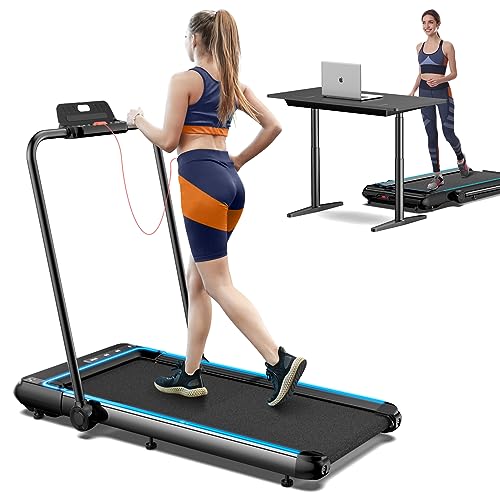
The Essential Guide to Buying a New Treadmill: What You Need to Know
As physical fitness lovers continue to look for versatile and reliable ways to preserve their physical health, treadmills stay a staple in home and commercial health clubs alike. The innovation and functions of treadmills have actually advanced significantly in recent years, making now an outstanding time to think about investing in a new treadmill. This article aims to direct potential buyers through important elements to consider, different kinds of treadmills offered, and often asked concerns to ensure they make an informed choice.
Comprehending Treadmill Types
Before diving into specific brands, it's worth understanding the main kinds of treadmills readily available in the market. This introduction will assist individuals determine which type best fits their physical fitness needs and budget plan.
1. Handbook Treadmills
- Description: These treadmills do not count on electricity and are powered solely by the user's motion.
- Pros:
- Generally less costly.
- Compact and lightweight, making them easy to store.
- Cons:
- Limited includes compared to motorized treadmills.
- Less appropriate for high-intensity exercises.
2. Motorized Treadmills
- Description: These treadmills come geared up with electric motors that assist in movement and permit adjustable speed settings.
- Pros:
- Offer a wide variety of speed and incline alternatives.
- Typically geared up with advanced innovation, including exercise programs and heart rate monitors.
- Cons:
- More costly and need more upkeep.
- Much heavier, making them hard to move.
3. Folding Treadmills
- Description: These treadmills can be folded for benefit, making them an exceptional option for those with minimal space.
- Pros:
- Space-saving design.
- Still provides motorized alternatives.
- Cons:
- May compromise some stability and resilience for portability.
4. Industrial Treadmills
- Description: Designed specifically for fitness centers and fitness centers, these treadmills are built with more durable products.
- Pros:
- High-quality building and construction and durability.
- Features created for extensive use.
- Cons:
- Generally more expensive and larger in size.
Comparison Table of Treadmill Types
| Treadmill Type | Power Source | Key Features | Rate Range | Suitable For |
|---|---|---|---|---|
| Manual | None | Basic performance | ₤ 100 - ₤ 500 | Newbies, budget users |
| Motorized | Electric | Adjustable speed/incline | ₤ 500 - ₤ 3,000 | All fitness levels |
| Folding | Electric | Space-saving features | ₤ 300 - ₤ 1,500 | Restricted area users |
| Commercial | Electric | Toughness and performance | ₤ 1,500 - ₤ 8,000 | Health clubs, heavy usage |
Key Features to Look For
When buying a new treadmill, several key features must be considered:
- Motor Power (HP): A more effective motor (a minimum of 2.5 HP) is vital for running and for users who plan to utilize the treadmill regularly.
- Running Surface: Consider the size of the belt. A longer and wider running surface can accommodate longer strides and offers better security.
- Slope Options: Adjustable slope can include intensity to exercises and target different muscle groups.
- Workout Programs: Many treadmills offer integrated exercise programs that can assist users through different workouts and routines.
- Show Features: A clear display allows users to track their speed, range, calories burned, and heart rate more easily.
- Cushioning: Adequate shock absorption can decrease the danger of injury and offer a more comfy running experience.
- Innovation Integration: Features like Bluetooth connection, mobile app combination, and built-in speakers can improve the workout experience.
Regularly Asked Questions (FAQs)
Q1: How much should I budget plan for a treadmill?
A: Budget can vary based on functions and quality. Manual treadmills begin around ₤ 100, while motorized models can range from ₤ 500 to ₤ 3,000, depending on sophisticated features.
Q2: How typically should I maintain my treadmill?
A: Regular maintenance, including lubing the belt and examining the motor, should be done monthly. Examine news for wear and tear regularly.
Q3: Can I slim down with a treadmill?
A: Yes, regular use of the treadmill, combined with a healthy diet plan, can help with weight loss. Including interval training increases intensity and calorie burn.
Q4: Is it much better to run on a treadmill or outdoors?
A: Both have advantages. Treadmills provide a controlled environment and cushioning, while outside running offers varied surroundings and natural inclines.
Q5: Do I need special shoes for using a treadmill?
A: While particular treadmill shoes aren't required, wearing good-quality running shoes designed for support, cushioning, and stability is recommended.
Purchasing a new treadmill can substantially impact one's physical fitness journey, supplying chances to work out at home regardless of climate condition. By understanding the types of treadmills offered and considering essential features, individuals can choose a model that fits their lifestyle and fitness objectives. Whether going for casual strolls or intense running sessions, the ideal treadmill can transform workout routines, making them more enjoyable and efficient. With the increase in technology and innovative styles, the treadmill remains a classic and valuable tool in personal fitness.